Revolutionary Precision: The Impact of Artificial Intelligence on CNC Machining
Artificial intelligence (AI) is now considered a transformative force in the rapidly evolving manufacturing industry. Precision CNC machining forms the cornerstone of high-quality production, and AI is driving continuous advancements. Integrating AI into CNC machines brings multiple benefits, reshaping how manufacturers approach production and process optimization.
Overview of AI-Driven CNC Machining
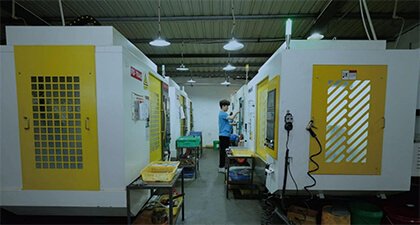
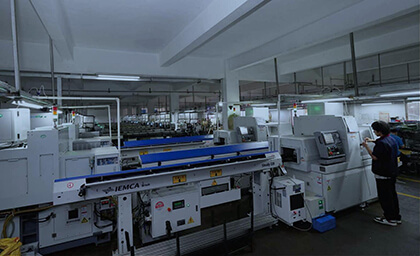
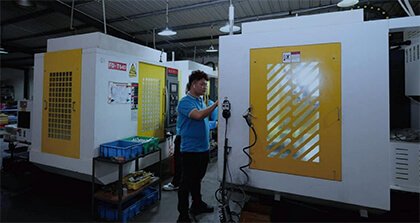
AI machining represents the fusion of traditional CNC machining practices with cutting-edge AI technologies. AI algorithms assist manufacturers in optimizing machining tasks, making intelligent decisions, and performing real-time adjustments. Together, these capabilities increase productivity, reduce downtime and waste, and lower operational costs.
Benefits of Integrating AI in Precision CNC Machining
1. Enhanced Efficiency
AI integration in CNC machines enables manufacturers to analyze large datasets, including physical simulations, material properties, and historical production performance. This data allows operators to optimize tool speed, feed rates, cutting paths, and other parameters for maximum efficiency without compromising precision. AI-driven CNC machining is particularly suitable for complex tasks requiring high adaptability and customization.
2. Improved Quality Control and Inspection
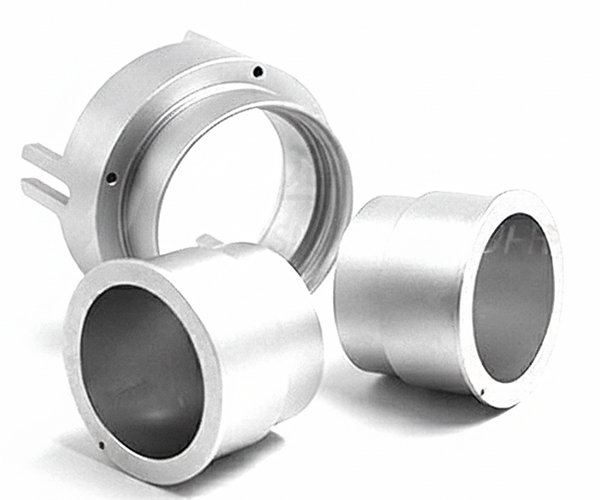
Precision CNC machining often targets components requiring micron-level tolerances. AI-powered CNC systems use machine learning algorithms to detect subtle deviations that might otherwise go unnoticed. In some cases, AI algorithms can even compensate for errors, minimizing scrap. This level of precision is especially valuable in automotive, medical, and aerospace industries, where even minor defects can result in costly recalls.
3. Advanced Predictive Maintenance
Traditional maintenance schedules are typically time-based or reactive, often leading to unexpected downtime. AI can predict potential component failures by analyzing sensor data from CNC machines, allowing operators to take corrective action proactively. This predictive maintenance reduces downtime, extends the lifespan of expensive tools and machinery, and saves significant costs associated with unplanned production interruptions.
4. Increased Flexibility
Previously, operators spent considerable time adjusting machining programs for new materials, part designs, or engineering requirements. AI algorithms now enable CNC systems to automatically adapt to these changes, significantly reducing setup time and making CNC machining more responsive and versatile.
5. Reduced Operational Costs
While CNC machining offers higher precision than traditional methods, operational costs can be significant. AI helps lower these costs by improving process efficiency and minimizing errors, waste, and other risks typically associated with conventional machining.
6. Smart Supply Chain Integration
AI’s impact extends beyond the factory floor to the entire supply chain. AI systems can predict demand more accurately, allowing manufacturers to optimize inventory and logistics. This intelligent integration helps manufacturers meet deadlines efficiently while improving overall operational workflow.
Precision CNC machining combined with AI is driving a new era in manufacturing. From improved efficiency and superior quality control to predictive maintenance, flexibility, and smart supply chain integration, AI is transforming CNC machining into a more intelligent, cost-effective, and adaptable process. As AI technologies continue to evolve, their influence on CNC machining will expand, further enhancing production capabilities and operational excellence across industries.